

The Welsh Language: A Business Asset, Not a Barrier
For many companies in Wales, the Welsh language is still being considered an extra cost, or something done after working hours – a national hobby. This is a costly approach, and it’s time for us to have an honest discussion about the Welsh language as a competitive business asset.
The truth about the Welsh language and the economy
- Almost 30% of your market is Welsh: With over 892,000 people in Wales able to speak or understand Welsh, businesses that ignore the language are deliberately choosing to be irrelevant to almost 30% of their potential market. Is this a sound business strategy?
- Customer loyalty: Recent studies suggest that bilingual customers show higher levels of interest and loyalty to brands that use the language. By neglecting the Welsh language, we leave around £50 million in potential loyalty and interest revenue on the table, every year.
- Just a hobby? In the last five years, how many large multinational companies operating in Wales have adopted Welsh as their operational business language? The answer is ‘zero’. Why do we let our language become an after-hours hobby rather than a competitive business asset?
How does Mentera make the most of its Welshness?
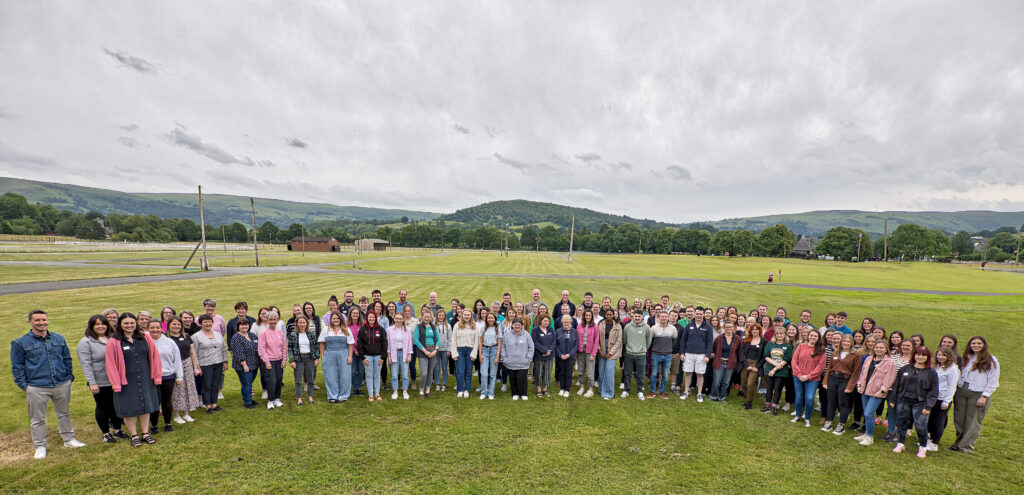
Mentera is a not-for-profit company with around 170 members of staff, 92% of whom are Welsh speakers. For Mentera, the Welsh language is the foundation of our brand. For us, Welsh is not a burden, but something that adds value.
A Strength for our Brand
- At Mentera, we see our natural bilingualism and proud Welshness as a strength for our brand.
- It enables us to provide a fully bilingual service to our clients, which is considered a strength.
- The name of the company, although it’s a new word, sounds Welsh, and this is intentional.
An Active Internal Culture
- The company’s business is conducted primarily through the medium of Welsh.
- The Board also operates in Welsh, demonstrating that the culture comes from the top of the company.
- We create material in Welsh naturally, and don’t just translate from English.
- We support staff to learn Welsh by offering them lessons and talking groups.
Attracting Talent
- It’s Welshness helps Mentera to attract talent, as our culture is attractive to Welsh speakers.
- This culture is also welcoming and inclusive for those who are Welsh learners or non-Welsh speakers.
- We recently recruited two new Board members who are not very confident in speaking Welsh but are able to understand it. Although the Board’s business is still conducted in Welsh, both are welcome to contribute in English when required, which allows us to draw on their experiences without disrupting the Board’s culture.
The Way Forward
Negative attitudes about the language have existed for centuries. Consider this quote from the Reports of the Commissioners of Inquiry into the State of Education in Wales in 1847:
“The Welsh language is a vast drawback to Wales, and a manifold barrier to the moral progress and commercial prosperity of the people. It is not easy to over-estimate its evil effects.”
If you think that attitude has disappeared from Wales’ boardrooms in the 21st century, then think again. We still treat our language as a ‘disadvantage’, and we need to change this.
Some argue that we need to focus on international business languages such as Mandarin and Spanish – the ‘global versus the local’ argument. But why must we choose? Why can’t we see the Welsh language as a valuable differentiator in the global market, while also developing the ability to operate through the world’s major languages?
Instead of seeing the Welsh language as a ‘complete waste of money and resources’, Mentera sees it as a valuable differentiator, a strength for our brand, and a core part of our culture. We’re proud to be able to travel the world to showcase Wales’ dynamic – and bilingual – business world.
It’s time for Welsh businesses to take pride in our language and unleash its potential as our biggest USP.